Here’s the thing, if you like personalizing your ride, you also need to know where the law draws the line. This guide walks through vehicle modification rules in India, what requires permission, what is commonly allowed, how to get approvals, and what happens if you ignore the rules. I’ll keep it practical and short on jargon, long on what matters.
What counts as a modification
A modification is any change that alters a vehicle’s essential characteristics. That means the chassis, engine, dimensions, weight, fuel system, lighting, brakes, or emission-control equipment. Even things that feel cosmetic can trigger paperwork, like a full body colour change that is different from what’s on your registration certificate. Major alterations almost always require official sign-off from the regional transport office.
Which changes need RTO approval
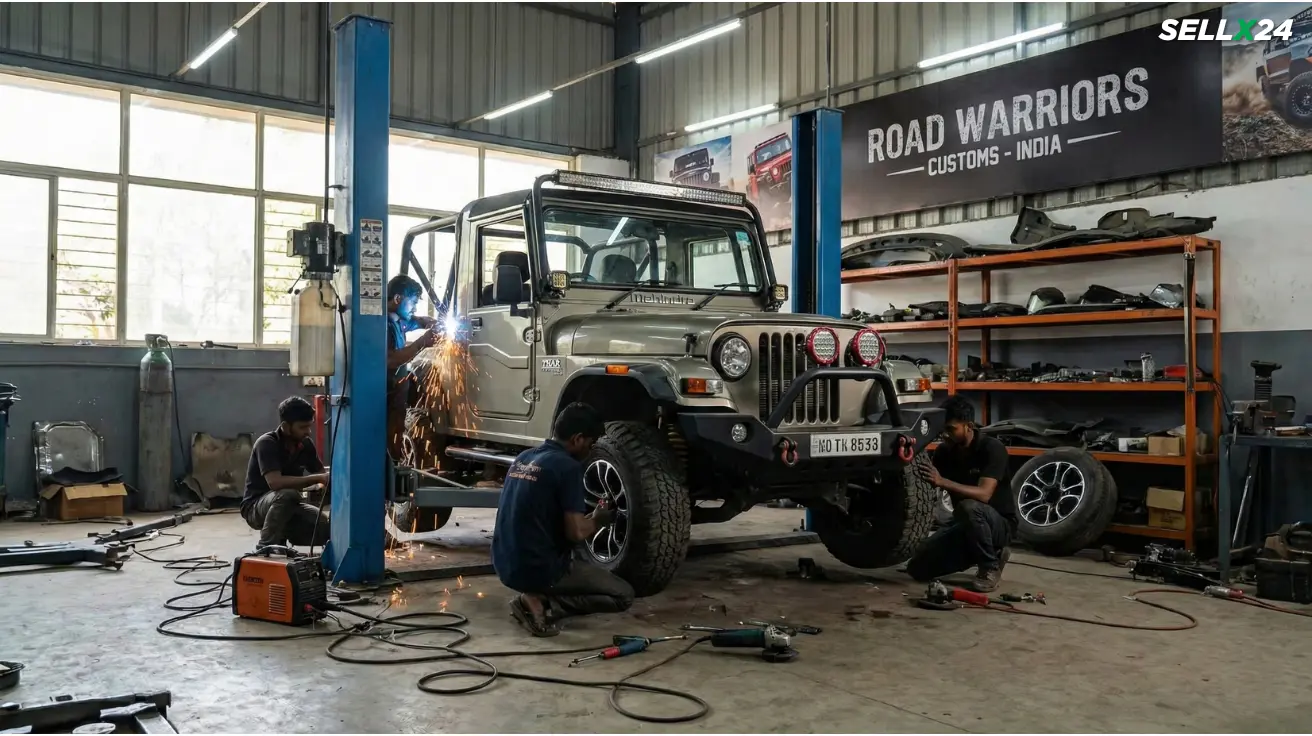
Let’s break it down. If your upgrade affects safety, emissions, or the identity of the vehicle, you need prior approval. Examples include engine swaps, changing tyre or wheel sizes beyond manufacturer limits, altering suspension travel in ways that affect ride height and handling, fitting a different fuel system like aftermarket CNG or LPG, or modifying the chassis. The Central Motor Vehicles Rules and related MoRTH notifications require such changes to be documented and approved, because they can affect road safety and compliance with emission norms.
For two wheelers, workshops and owners often use a specific form or process to notify the RTO. Some regional offices accept an intimation that becomes approved if there is no response within a set number of days. Still, you should not assume silence equals free licence. Follow the procedure, get the paperwork.
What you can usually do without sweat
Not every tweak needs a formal application. Minor accessories, such as approved seat covers, non-structural cosmetic wraps within the declared colour rules, roof rails that are within load limits, or small interior upgrades usually do not require re-registration. Replacing bulbs with legally approved lighting units or fitting manufacturer-approved aftermarket parts that have a type-approval certificate is often fine. The rule of thumb is, if it changes vehicle performance, structure, safety, or emissions, seek approval. If it is purely cosmetic and reversible, it probably does not.
Emissions, noise, and exhausts, pay attention
Engine tuning, open exhausts, or changes that disable emission-control devices are not just frowned upon, they are illegal. Emission standards and type approvals are governed centrally, and tampering with catalytic converters, diesel particulate filters, or ECU limits will run you into trouble, including fines and possible cancellation of fitness certification for commercial vehicles. Loud, non-approved exhausts or horns can attract challans too. What this really means is, don’t trade noise for thrills if you want to stay on the road and keep your papers intact.
Lights, visibility and aftermarket LEDs
Many people fit bright LED bars, strobe lights, or laser lamps. These can endanger other drivers when used on public roads. High-intensity aftermarket lamps and certain coloured lights are restricted, and authorities have been seizing vehicles and imposing fines in drives against hazardous fittings. If your lighting affects visibility of signals, or could blind oncoming traffic, it is treated as illegal. Update your RC if a permitted change affects the vehicle description, like colour.
Process to get modifications approved
Here’s the practical route most people need to follow. First, consult the RTO or the state transport website to understand required forms and tests. For structural or major mechanical changes, you will need an inspection and a certificate from an authorised testing agency or manufacturer, and then an application to the RTO to update the vehicle’s particulars. In some cases a fitness test or emission test is required before the RTO will approve the change. Keep every invoice and test report handy. The Ministry and CMVR lay out procedures and technical standards that state authorities implement.
Kits and retrofits, what about type approval
If you are fitting a kit, like an aftermarket CNG/LPG installation, that kit must be type-approved and installed by an authorised workshop. The CMVR framework ties retrofitting to specific AIS or BIS standards, and kit approvals often come with validity and renewal conditions. Fitment by unapproved workshops or use of uncertified kits is a common source of legal trouble.
Penalties, seizures and real-life enforcement
Enforcement is no longer theoretical. Police and transport departments regularly inspect vehicles and can impound, fine, or demand removal of illegal fittings. Recent enforcement actions have included seizures and fines for buses and private vehicles fitted with hazardous lights and loud audio systems. For severely modified vehicles, fitness certificates can be revoked, which affects insurance and the ability to operate commercially. Don’t underestimate the risk, especially if you drive commercially or in states with active enforcement drives.
Insurance and resale implications
Modify without disclosure and your insurer may deny claims after an accident. Insurers expect material facts about the vehicle to be accurate. Also, an altered vehicle without proper documentation will fetch a lower resale value, or buyers may refuse to touch it. If you plan to sell, keep records showing approvals and test certificates. That paperwork protects you and preserves value.
Practical tips before you modify
- Check the RTO rules for your state first, because implementation details and forms vary.
- If the change affects safety or emissions, insist on type-approved parts and accredited workshops.
- Keep records of every test, invoice and approval. These matter at inspection, insurance claim time, and sale.
- For performance upgrades, confirm the change does not exceed manufacturer-specified limits for tyre size, axle load, or engine capacity.
- If you are unsure, get a written opinion from an authorised testing lab or the vehicle manufacturer. It may cost a little now, but it prevents big costs later.
Also Read: How Many Years a Car Can Be Used in India: The Real Story
Final word, blunt and useful
Let’s be clear, customising your vehicle is fine, but it does not happen in a legal vacuum. The law focuses on safety, emissions, and identity. Follow the process, use certified kits, get inspections, and update your registration where required. That protects you from fines, prevents claim denials, and keeps the road safer for everyone. Modify with taste, but do it with the paperwork to back it up.