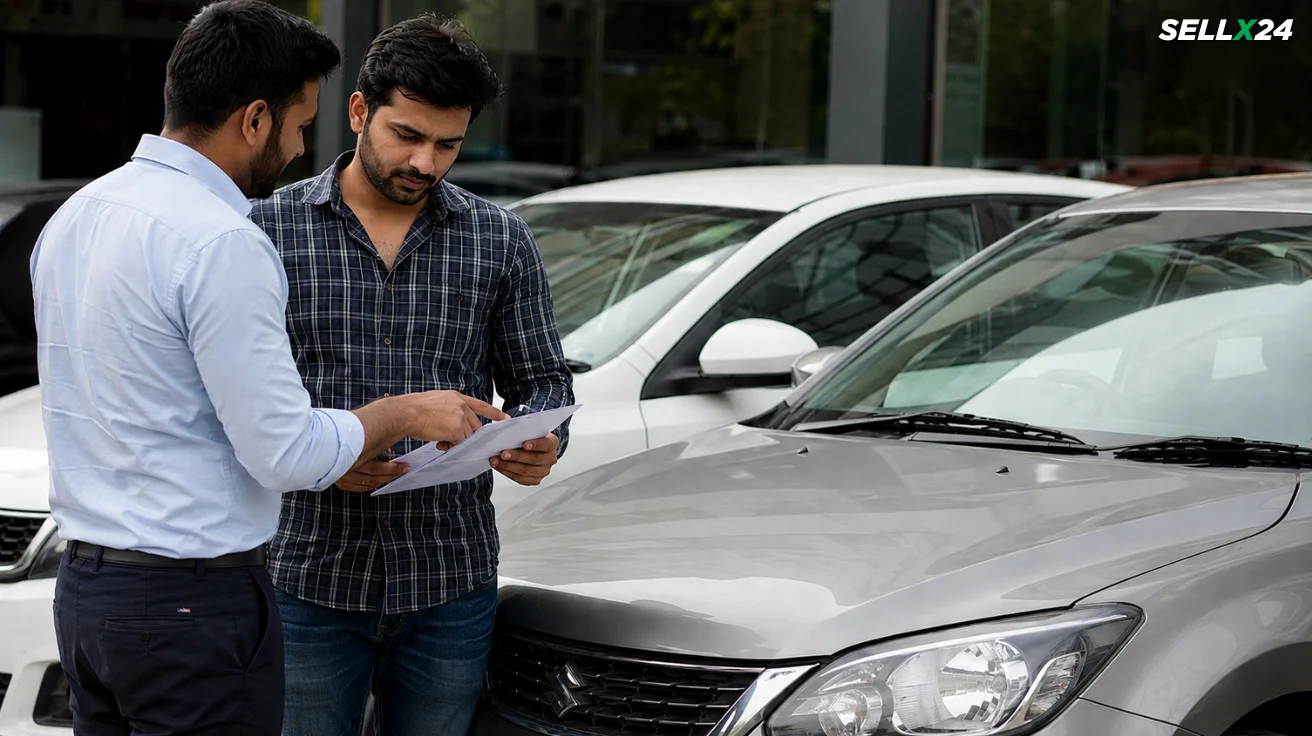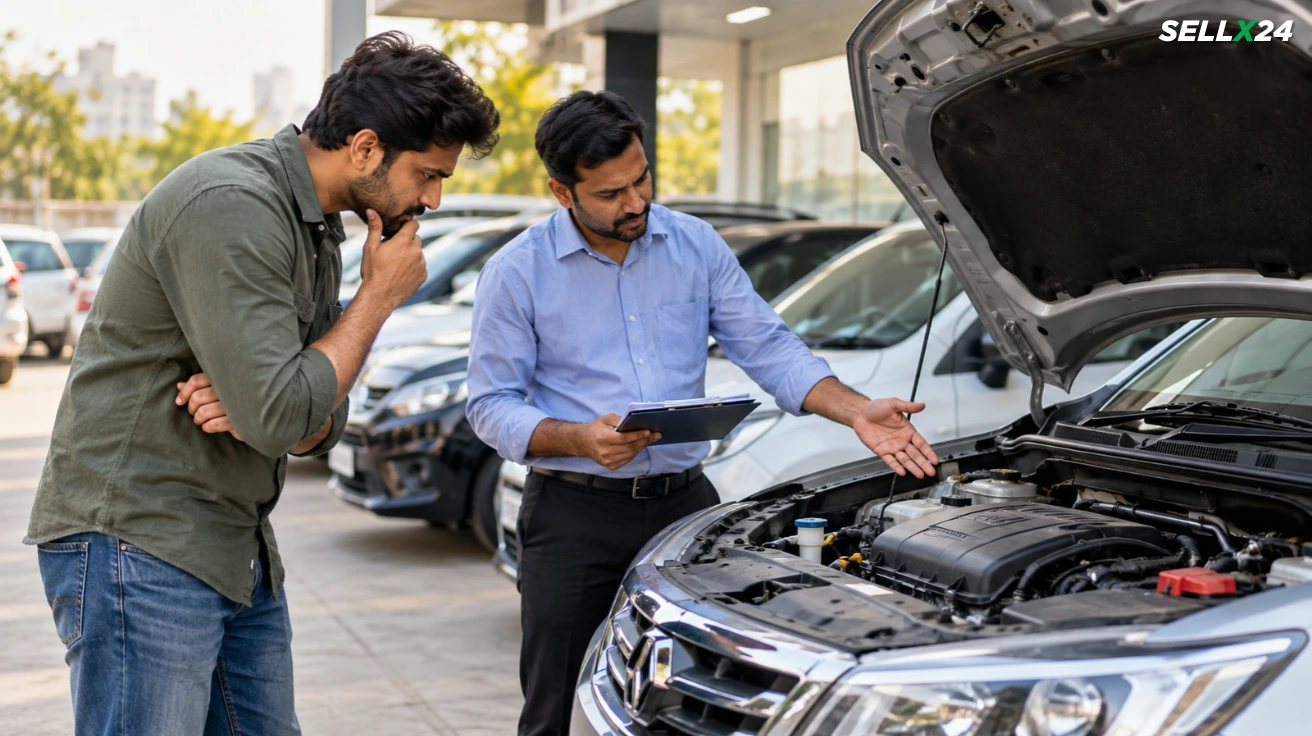
A used car can look spotless and still hide a costly repair, an unpaid loan or incomplete paperwork. Before paying a token amount, ask the Used Car Seller these ten questions and verify the answers.
1. Can the Used Car Seller prove ownership?
Check the Registration Certificate (RC), physical or official digital copy, and confirm the seller's name matches the registered owner. Compare the registration, make, model, fuel type and chassis and engine numbers with the car. Don't accept a mismatch on a promise to fix it later.
If the seller is acting for someone else, involve the registered owner in the paperwork. Be cautious if the car has changed hands several times but the RC names an earlier owner. The person legally entitled to sell must complete the transfer.
2. Is there an outstanding loan or hypothecation?
Check whether the RC records a financier's hypothecation. If the car loan has been repaid, ask for the lender's closure confirmation and No Objection Certificate (NOC), where applicable. Confirm that the hypothecation has been removed from the registration record. A loan-payment screenshot alone is not enough.
If a balance remains, don't pay the seller in full on a promise to settle it later. Contact the financier to understand the settlement process. Parivahan lists Form 35 for terminating a hire-purchase, lease or hypothecation agreement.
3. Has the car had an accident or flood damage?
Ask about accidents, chassis damage, airbag deployment, flood exposure, repainting and replaced panels. Request repair invoices and find out which parts were worked on. Look for uneven paint, mismatched panel gaps, rust in unusual places, damp carpets, musty smells or moisture inside lights.
These clues aren't proof by themselves, so arrange an independent inspection. Ask a mechanic to inspect the car on a lift and scan its systems where possible. If the seller refuses or insists you pay first, treat that as a warning sign.
4. Can you show service records and repair bills?
Ask for the service booklet and workshop invoices, especially for major work involving the clutch, suspension, tyres, battery, timing belt or chain, engine and gearbox. Itemised bills are more useful than stamps alone because they show dates, mileage and what was replaced.
Missing records don't automatically rule out a car, but they leave you with less evidence. Ask what maintenance is due next and whether warning lights have appeared. Estimate likely costs after purchase, not just a bargain on the asking price.
5. Is the odometer reading believable?
Compare the displayed mileage with service invoices, inspection records and earlier documents. Check whether mileage rises consistently over time. Wear on the steering wheel, pedals, driver's seat and gear selector can seem out of place with low mileage, although driving conditions affect wear.
No single clue proves tampering. Look for a consistent history and ask a mechanic to check for unusual wear. If the seller can't explain conflicting readings, factor that uncertainty into the price or walk away. Don't pay extra for a low dashboard number.
6. Can I test-drive the car and arrange my own inspection?
Take a test drive that includes traffic, turns, braking and a safe stretch at normal road speed. Listen for knocks, grinding, rattles or whining. Check whether the steering tracks straight, brakes feel consistent, the clutch engages smoothly and the air conditioner cools properly. Start it from cold if possible and watch for warning lights.
A test drive isn't a substitute for your own mechanic. Agree who pays the inspection fee and have the workshop check underneath the car. If the seller won't allow an independent check, pause the deal.
7. Is the insurance valid, and has the car had claims?
Check the current policy's expiry date, policy type, insured details and vehicle details. Ask about insurance claims for accidents, theft attempts or repairs and request paperwork where available. Some repairs are paid for privately, so a clean claims record doesn't prove the car has never been damaged.
Insurance needs attention after the sale. IRDAI says the buyer should notify the insurer in writing and apply to transfer the policy. Its guidance says ownership transfer under a comprehensive or package policy should be recorded within 14 days of the vehicle transfer for own-damage cover to remain payable. Confirm the process with the insurer. The previous owner's No Claim Bonus does not automatically transfer with the car.
8. Are the PUC, taxes and challans up to date?
Ask for a valid Pollution Under Control (PUC) certificate. Check available registration and document status through official Parivahan or mParivahan services, and look for pending e-challans or unpaid vehicle tax where applicable. Agree in writing who will clear any outstanding amount before you pay.
Use official vehicle-status and eChallan services rather than relying only on screenshots provided by the seller. Online records may not answer every question, so confirm unclear entries with the authority. A low price loses its appeal if you inherit unresolved dues or renewal costs.
9. Are there legal issues or unrecorded modifications?
Ask whether the car has been reported stolen, seized, caught up in a court dispute or used commercially. Check that the chassis and engine numbers are legible and match the RC. If the engine, fuel system or colour has been changed, ask for documents showing the alteration was properly recorded or approved where required.
For a car registered in another state, ask what the transfer requires and whether a No Objection Certificate is needed. Parivahan describes an NOC process under Section 48, but the requirements depend on the vehicle and authorities involved. Confirm the exact documents with the relevant RTO before committing.
10. What is the final price, and how will transfer be handled?
Ask the Used Car Seller to put the agreed amount in writing. Clarify who pays for repairs, outstanding challans, loan settlement and transfer expenses. Record the payment method, handover date, documents included and what happens if the application needs more paperwork.
Don't rely on a promise that the RC transfer will happen later. The central process uses Form 29 for the notice of transfer and Form 30 for the transfer application. Keep a sale receipt or agreement showing the date, time, registration number, odometer reading, amount, both parties' details and documents handed over. Save payment proof and track the application until the RC names you as owner.
Before you pay
Clear answers and records make a used car easier to assess. If answers conflict with documents, the car fails inspection or you're pushed to pay immediately, pause the deal.
This guidance reflects current central government information available at the time of writing. Transfer procedures, fees and document requirements can change under central or